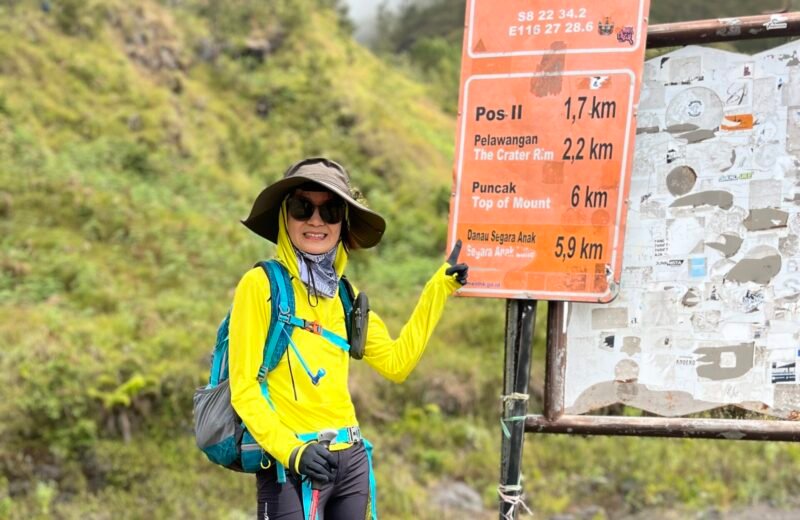
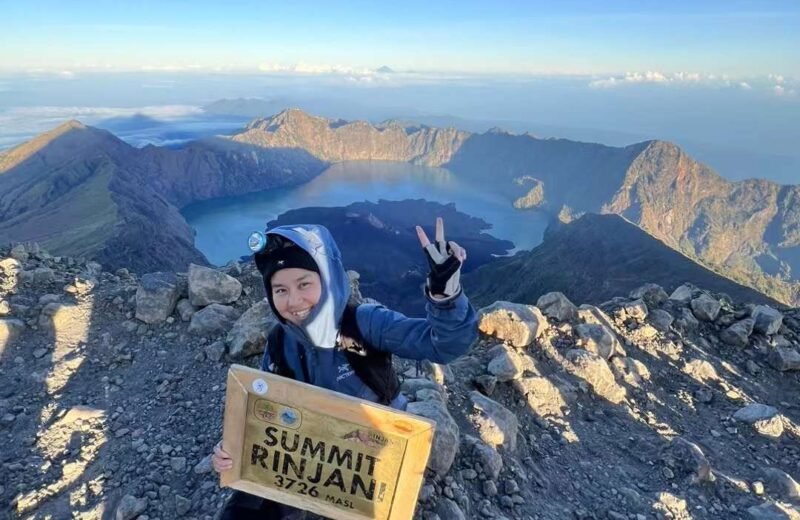
Porters carry the heavy group gear, so your own pack only needs what you use during the day plus a few warm things. Lighter is happier.
Clothing (think layers)
- 2 moisture-wicking t-shirts and 1 long-sleeve base layer
- 1 warm mid-layer (fleece) and 1 insulated jacket for the summit and camp
- Windproof and waterproof shell jacket
- Trekking trousers, plus thermal leggings for the summit
- Warm socks (2 to 3 pairs, wool or synthetic), plus one dry pair kept for sleeping
- Beanie, gloves and a buff
- Sun hat or cap
Footwear
Sturdy trekking shoes or boots with good grip, already broken in. The summit scree and wet forest sections are tough on thin soles. Sandals are handy at camp.
Gear
- Headlamp with spare batteries. The summit push starts around 2 AM.
- Daypack of 25 to 35 litres with a rain cover
- Water bottles or bladder (at least 2 litres) and electrolyte tablets
- Trekking poles, which save your knees on the descent
- Power bank, since charging is not available at camp
- Dry bags or plastic liners
Personal items
- Sunscreen, lip balm with SPF, sunglasses
- Blister plasters, basic first aid and personal medication
- Toilet paper, hand sanitiser, wet wipes and a bag for your rubbish
- Cash in rupiah. There are no ATMs near the trailheads.
- Passport or ID copy, since your permit is linked to it
- Trekking insurance details
What to leave at home
- Cotton jeans and hoodies (they stay wet and cold)
- Heavy camera lenses you will not use
- Single-use plastics, as rubbish must come back down
- Valuables you do not need on the mountain
Rent or buy?
Many operators can arrange sleeping bags, jackets and poles. Ask what is included before you buy expensive gear. See our guide to what a Rinjani trek costs for what is usually in the price.
Last updated: November 2026.
Frequently asked questions
What should I wear for the Rinjani summit?
Layers: a base layer, fleece, insulated jacket and a windproof shell, with thermal leggings, warm socks, gloves and a beanie. Summit mornings are cold and windy.
Do I need to bring a sleeping bag?
Usually it can be provided or rented by your operator. Confirm in advance, and check it is rated for cold nights.
Are trekking poles necessary?
They are not mandatory but strongly recommended, especially for protecting your knees on the descent.
Can I charge my phone on Rinjani?
Not at camp. Bring a power bank and keep your phone warm so the battery lasts.
Should I bring cash?
Yes, in rupiah. There are no ATMs at the trailheads, and cards are not generally accepted there.